Rodents and Health
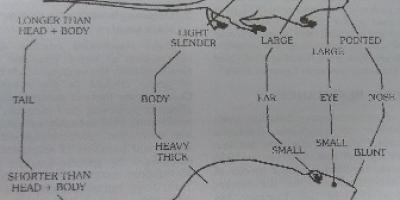
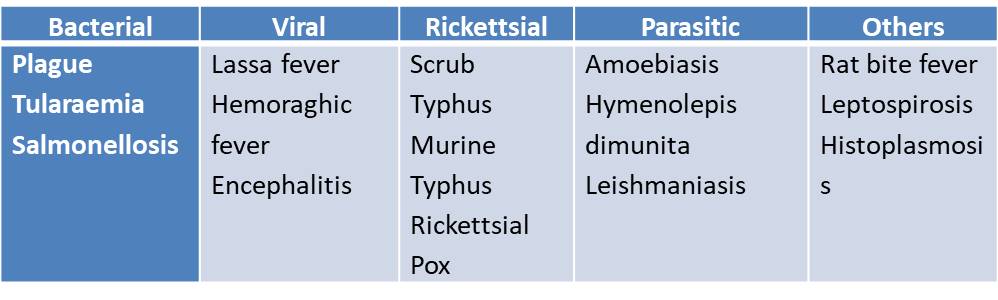
Rat control measures:
1. Sanitation
2. Trapping: Bait is used. Causes temporary reduction in numbers.
Captured rats must be killed as they become “trap-wise” and avoid traps later

Rat control measures:
1. Sanitation
2. Trapping: Bait is used. Causes temporary reduction in numbers.
Captured rats must be killed as they become “trap-wise” and avoid traps later
1. Mechanical: infectious agent is mechanically transported through soiling of vector’s feet or proboscis or by passage through its gastrointestinal tract. for example spread of e coli by housefly
2. Biological:
a. Propogative: infectious agent merely multiplies inside the vector e.g. plague in rat flea
b. Cyclo-propogative: agent changes in number and also in form e.g. malaria parasites in mosquito
c. Cyclo-developmental : the disease agent undergoes only development but no multiplication e.g. microfilaria in mosquito
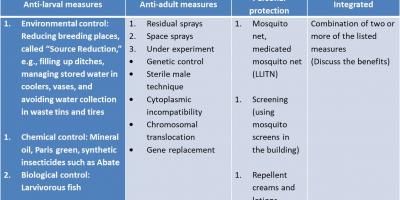
Reference:
K. Park, 2019. Environment and Health, In: Park’s Textbook of Preventive and Social Medicine, 25th ed. Jabalpur, 2019
The important genera of mosquitoes that are of public health importance are Anopheles, Aedes, and Culex.
The stages of a mosquito’s life cycle are as follows:
1. Eggs
2. Larva
3. Pupa
4. Adult mosquito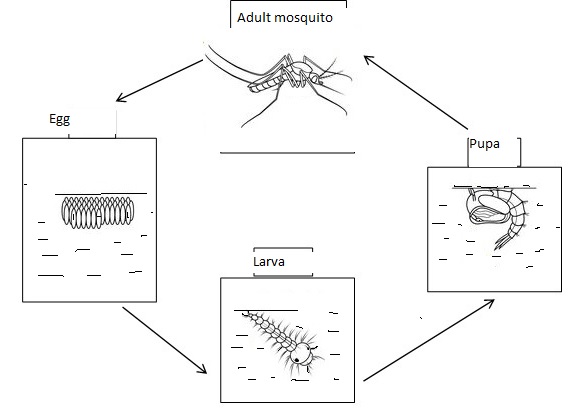
This blog presents a complete, easy-to-use general history taking format designed to help MBBS students ensure they never miss essential components. It also highlights additional headings required for special cases such as obstetric, pediatric, geriatric and adolescent patients. The blog includes visual tables for review of systems, explains how beginners can refine their questioning, and guides readers on integrating positive findings into HOPI or past history. A printable version is available on request.
(adsbygoogle = window.adsbygoogle || []).push({
google_ad_client: "ca-pub-2296304216845141",
enable_page_level_ads: true
});
Single blinding: when the patient does not know if he/she is getting the drug or placebo
Double blinding: where the patient and the dispensing doctor also does not know whether the patient is getting the drug or placebo

1. To study the disease trend since past
2. Community diagnosis
3. Planning and evaluation of health services
4. Evaluation of a new therapy or a new health measure
5. Determining the risk to an individual
6. Identification of syndromes
7. Filling in the gaps in the natural history of the disease
8. Searching for the cause of a disease


Definition of ‘Monitoring’:
Monitoring is the performance and analysis of routine measurements aimed at detecting changes in the environment or health status of the population.
Monitoring can be of variety of activities like:
• Health program
• Air quality
• Water quality
• Intrauterine growth
• Nutritional status
• Functioning of a health facility etc.
Definition of ‘Surveillance’:
